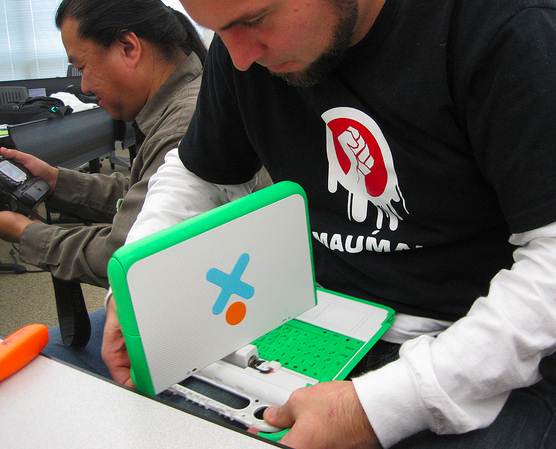
The great excitement, energy, and enthusiasm that brought us together is gone. OLPC is dead. In its place, is the reality that technology is a force in education, and we all need to be vigilant about when, where, and how it’s used. – See more at: http://www.olpcnews.com/aboutolpcnews/goodbyeonelaptopperchild.html
Category: Digital Divide
Cellphones Have Become Tool for Doing Good Globally
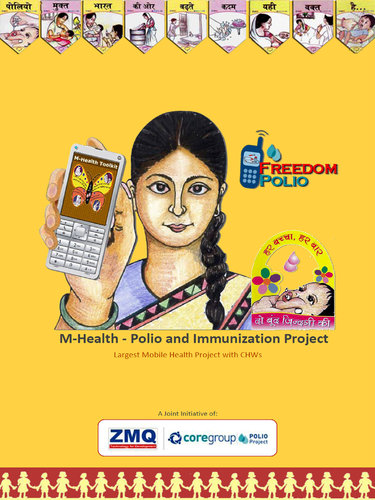
The World Health Organization estimates that more than 700 million people do not have access to clean drinking water and over 2.5 billion have no access to toilets. Yet according to the International Telecommunications Union, 96 percent of the world is connected via cellphone — which is why it has become a means of doing… Continue reading Cellphones Have Become Tool for Doing Good Globally
Kapor Center for Social Impact
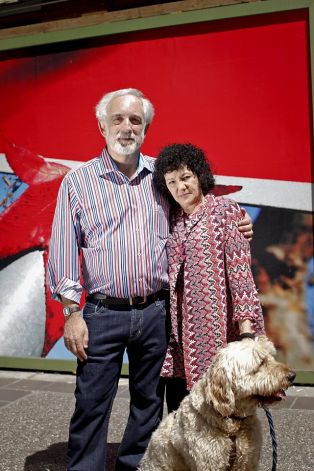
Mitch Kapor unveiled the new Kapor Center for Social Impact, which is a crucible for budding entrepreneurs. It offers funding and consulting for those needing a leg up on the ever-lengthening ladder of social mobility or trying to build a business that helps others do the same. Read more
OLPC is plowing forward with the successor to the XO-1
Wednesday, August 15th, 2012 1 Comments OLPC CEO Rodrigo Arboleda said in a released statement today, “There is constant debate over laptops versus tablets in educational programs. But the truth is both have their merits. While maintaining our XO’s award-winning design from Yves Behar’s FuseProject, we have combined features of both devices to deliver dual… Continue reading OLPC is plowing forward with the successor to the XO-1
Update on One Laptop Per Child (OLPC)
It’s been slow going. About 1.6 million of the group’s laptops have been distributed to date, said Matt Keller, vice president for global advocacy at the O.L.P.C. Foundation, based in Cambridge, Mass. Today, the largest concentrations are in Uruguay, at around 400,000, and Peru, at 280,000, followed by Rwanda (110,000) and Haiti and Mongolia (15,000… Continue reading Update on One Laptop Per Child (OLPC)
More human beings today have access to a cellphone than the United Nations says have access to a clean toilet
A nice article on cell phones and the part they are playing to close the great tech divide: The number of mobile subscriptions in the world is expected to pass five billion this year, according to the International Telecommunication Union, an intergovernmental organization. That would mean more human beings today have access to a cellphone… Continue reading More human beings today have access to a cellphone than the United Nations says have access to a clean toilet
Dialing for Answers Where Web Can’t Reach (via NYTimes)
The premise behind Question Box is that many barriers keep most of the developing world from taking advantage of the wealth of knowledge available through Web search engines, said Rose Shuman, the service’s creator. That could be a drag on economic development. Continue reading…
Google SMS Allows People To Access Information With Their Mobile Phones
Google does a great job of describing Google SMS— it’s basically technology that meets the needs and infrastructure of Africa: Most mobile devices in Africa only have voice and SMS capabilities, and so we are focusing our technological efforts in that continent on SMS. Today, we are announcing Google SMS, a suite of mobile applications… Continue reading Google SMS Allows People To Access Information With Their Mobile Phones
Update From OLPC: Streamlining our operations this month, cutting staff and contractors by roughly 50% (from every team) and laying out broad targets for the coming year.
We are streamlining our operations this month, cutting staff and contractors by roughly 50% (from every team) and laying out broad targets for the coming year. Check out their blog here.
NetHope
Filing this one under digital divide: This device, called a Network Relief Kit, weighs less than four pounds and “is a grand slam invention,†Mr. Lopes said. “It’s portable, light and brings the outside world to the most remote, disconnected places.†It was created by NetHope, a collaboration of nonprofit organizations and technology companies working… Continue reading NetHope